Strategies for Successful Alliance Management in Travian: Legends
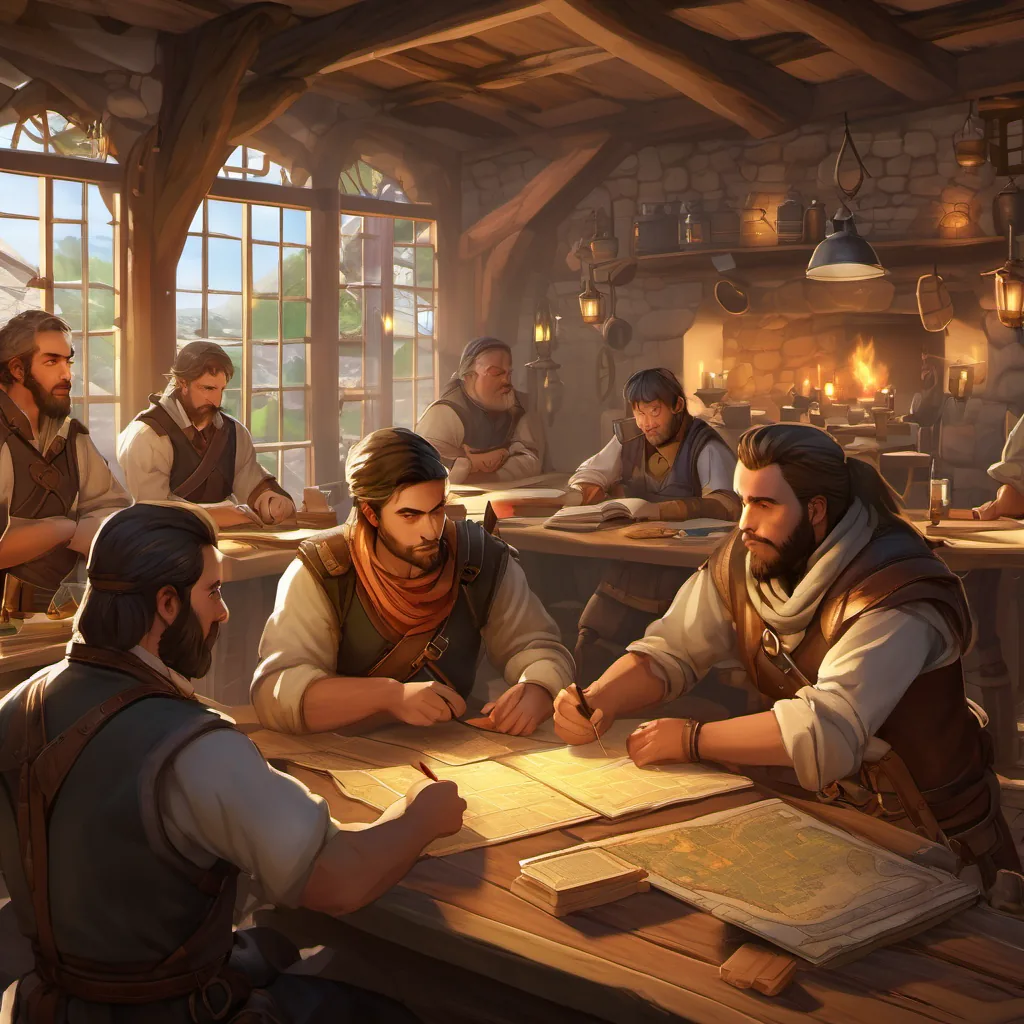
Building a Strong Alliance Foundation
Creating a successful alliance in Travian: Legends begins with laying a solid foundation. Without a clear direction and structure, even the best players can struggle to achieve their goals.
Define Goals and Objectives
An effective alliance starts by defining its goals and objectives. These can vary from seeking server dominance to controlling vital resources or enhancing defensive strength. Having a unified vision helps align all members towards a common purpose. For instance, an alliance focused on resource control might prioritize oases and resource-rich territories, while one aiming for server dominance may concentrate on capturing key strategic locations such as Natar villages.
Establish a Clear Structure
Implementing a clear alliance structure with defined roles and responsibilities is crucial for effective management. Typical roles include:
- Leader: Guides the alliance's strategic direction.
- Diplomat: Manages relationships with other alliances and negotiates terms.
- Recruiter: Attracts new members to strengthen the alliance.
- Quartermaster: Oversees resource allocation and management.
This well-defined structure promotes accountability and prevents duplication of effort, ensuring that each member knows their responsibilities.
Create Alliance Rules
Establishing a set of alliance rules and guidelines helps maintain order and ensure fair play among members. These rules may dictate acceptable conduct, resource sharing protocols, and conflict resolution processes. By setting these guidelines early on, the alliance fosters a sense of community and establishes clear expectations for member behavior.
Robust Recruitment Process
To strengthen the alliance's capabilities, implementing a robust recruitment process is essential. Actively seeking skilled and active players can significantly enhance an alliance’s performance. The most successful alliances often have a core group of experienced players who have collaborated for over three years, bringing invaluable knowledge and strategies to the table.
Effective Communication and Coordination
Once the foundation is set, effective communication and coordination become key to successful alliance management.
Utilize Communication Platforms
Utilizing in-game messaging, forums, or external communication platforms like Discord facilitates timely information sharing. This ensures that all members are up-to-date with the latest developments, strategies, and changes in the game environment.
Clear Communication Protocols
Establishing clear communication protocols is vital for reporting attacks, coordinating troop movements, and requesting assistance. These protocols help prevent confusion and ensure that every member knows how to act in critical situations.
Regular Alliance Meetings
Conducting regular alliance meetings fosters camaraderie and allows for strategy discussions. These meetings provide an opportunity to address concerns, refine tactics, and celebrate achievements. They are essential for maintaining morale and ensuring that all members feel involved in the alliance's direction.
Tracking Resource Production
Developing a system for tracking resource production and troop movements optimizes alliance efficiency. Monitoring these elements allows the alliance to respond quickly to threats and opportunities, ensuring that resources are utilized effectively.
Strategic Decision-Making and Resource Management
Strategic decision-making is at the heart of successful alliance management.
Analyze the Server Map
Analyzing the server map is crucial for identifying key strategic locations such as oases, Natar villages, and trade routes. Alliances with effective leadership structures have been shown to have a 30% higher success rate in capturing these critical locations. This analysis helps prioritize targets and allocate resources effectively.
Coordinated Defense Strategies
Developing coordinated defense strategies is essential for protecting alliance members against enemy attacks. By pooling resources and strategically coordinating troop placements, alliances can maximize their defense capabilities and deter potential aggressors.
Resource Sharing System
Implementing a resource-sharing system strengthens the alliance’s overall capabilities. Alliances that utilize shared resource pools and coordinated troop movements can achieve a resource production increase of up to 25%. This approach ensures that no member is left behind and that resources are distributed where they are most needed.
Coordinating Troop Movements
Coordinating troop movements and attacks is vital for maximizing impact and minimizing losses. By working together, alliances can launch more effective strikes against enemy positions while supporting each other in defense. This collaborative approach creates a formidable force that is difficult for rivals to challenge.
Conclusion
In Travian: Legends, successful alliance management is multifaceted, requiring clear communication, defined roles, strategic decision-making, and a strong foundation. By implementing the strategies outlined above, alliances can enhance their effectiveness, foster collaboration, and ultimately achieve their goals.
FAQ
What is the average size of an alliance in Travian: Legends?
The average alliance size in Travian: Legends ranges from 20 to 50 members, depending on the server and game stage.
How can alliances improve their success rates?
Alliances with effective leadership structures have a 30% higher success rate in capturing key strategic locations. This highlights the importance of strong leadership and defined roles within the alliance.
What benefits do alliances gain from active diplomatic relations?
Studies have shown that alliances with active diplomatic relations with other alliances experience 15% fewer attacks from rival factions. This indicates the value of maintaining good relationships with others in the game.
Related articles
Building a Strong Alliance in Travian
This article explores key strategies for building a strong alliance in Travian, including mutual defense, resource sharing, and effective communication. By focusing on these elements, your alliance can thrive in the competitive landscape of the game.

The Role of Economy in Travian Strategy
Understanding the role of economy in Travian is essential for developing a successful strategy. This article discusses the importance of resource production, management, and trading throughout the game phases.

Essential Village Building Tips for Beginners
Mastering the early stages of Travian: Legends is crucial for long-term success. This guide provides essential tips for resource management, village defense, and hero utilization.
Explore these topics
- travian(44)
- strategies(6)
- alliance(5)
- legends(5)