Winning Battles: Travian War Tactics Explained
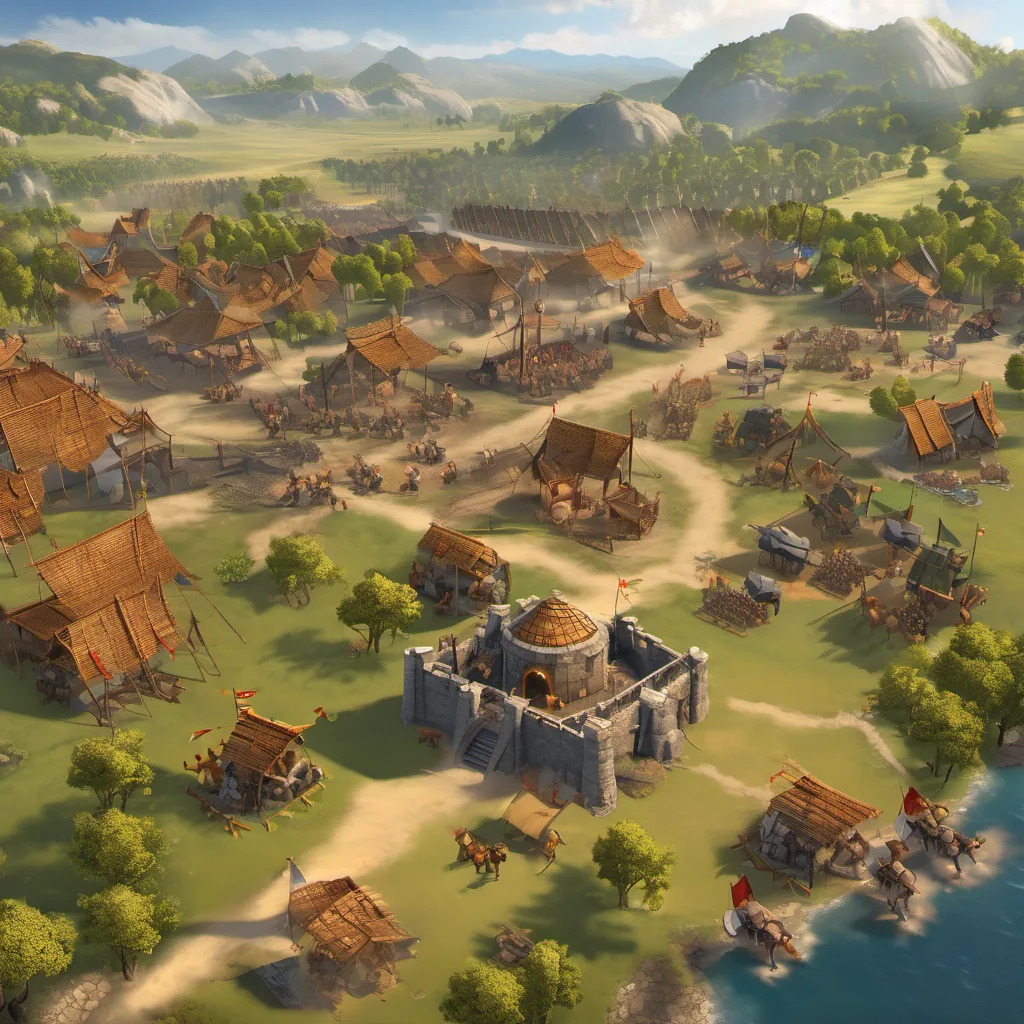
Pre-Attack Planning
Thorough Scouting
Scouting is the backbone of any successful attack in Travian. Before launching an assault, it’s crucial to send scouts to gather intelligence on enemy troop numbers, resource levels, and defenses. A well-executed scouting mission will reveal the strength of the enemy, allowing you to tailor your strategy accordingly. Knowledge is power; understanding the enemy's strength enables you to minimize your losses and maximize your gains.
Target Selection
With your scouting information in hand, the next step is to choose your targets wisely. Focus on villages that appear vulnerable, have abundant resources, or hold strategic importance. In the early game, prioritize inactive or weakly defended villages, as they often contain resources that are crucial for building your army and infrastructure.
Executing the Attack
Wave Attacks
One of the most effective strategies in Travian is the wave attack, which involves sending multiple waves of assaults to overwhelm the enemy. Begin with clearing waves using catapults and rams. Catapults are particularly useful because they can target specific buildings starting at level 10 of the workshop. Rams, on the other hand, increase damage against walls by a certain percentage per ram, but they are vulnerable to infantry attacks. Your clearing waves should aim to destroy enemy walls, which provide a maximum defense bonus of 81% at level 20, before sending in offensive waves to eliminate troops and seize resources.
Fake Attacks
In addition to wave attacks, fake attacks play a critical role in confusing the enemy. By sending small, insignificant assaults, you can compel your opponent to spread their defenses thin. This confusion creates opportunities for your genuine attacks on undefended or weakly defended villages. Ultimately, this tactic forces the enemy to make decisions based on misinformation, allowing you to strike at their most vulnerable points.
Post-Attack Actions
Resource Gathering
After a successful raid, the immediate next step is to send your troops to carry away resources. Timing is crucial; the faster you gather resources, the better prepared you will be for future battles. Inactive or weak villages can often be raided repeatedly, providing a steady stream of resources that can be utilized to build troops and fortify your defenses.
Reinforcements
If you’ve conquered a village, be prepared for potential counter-attacks. Sending reinforcements to secure the newly acquired village is essential for protection. This not only safeguards your new territory but also deters opponents from attempting to reclaim it. Coordinating with alliance members can be beneficial, ensuring that you have support during these vulnerable periods.
FAQ
Q: How do I effectively scout an enemy village?
A: Use scouts to gather detailed intelligence on troop numbers, resource levels, and defenses before launching any attack. This will help you plan your strategy effectively.
Q: What is the benefit of using wave attacks?
A: Wave attacks allow you to overwhelm the enemy through multiple strikes, minimizing losses by breaking down defenses first with clearing waves before sending in offensive troops.
Q: How do chiefs work in Travian?
A: Chiefs reduce the loyalty of a village by 20-35% per successful attack, depending on the tribe and research level. You must bring loyalty to zero before you can conquer the village.
Q: What role do fake attacks play in my strategy?
A: Fake attacks can divert enemy defenses and create openings for real attacks, allowing you to exploit weaknesses in their strategy.
Q: How often should I raid?
A: Consistent raiding of inactive or weak villages is essential for resource gathering. A steady income stream from raids can significantly enhance your troop and infrastructure development.
Q: How should I coordinate with my alliance?
A: Communication is key. Coordinate your attacks and defenses with alliance members to maximize effectiveness and provide mutual support during conflicts.
Related articles
War Tactics for the Modern Travian Player
Explore essential war tactics for Travian players, covering early game raiding, mid-game expansion, and late-game siege strategies. Learn how to maximize resource accumulation, coordinate with allies, and utilize advanced troop types effectively.
Building a Strong Village Defense System
Explore the intricacies of building a strong village defense system in Travian. Learn about troop types, wall upgrades, and strategic hero equipment to fortify your defenses.
War Tactics and Strategies for the Advanced Player
Explore advanced war tactics and strategies for players looking to enhance their gameplay in Travian. This article covers offensive warfare, defensive strategies, resource management, and the importance of coordination with alliance members.