Village Upgrades: The Key to Success
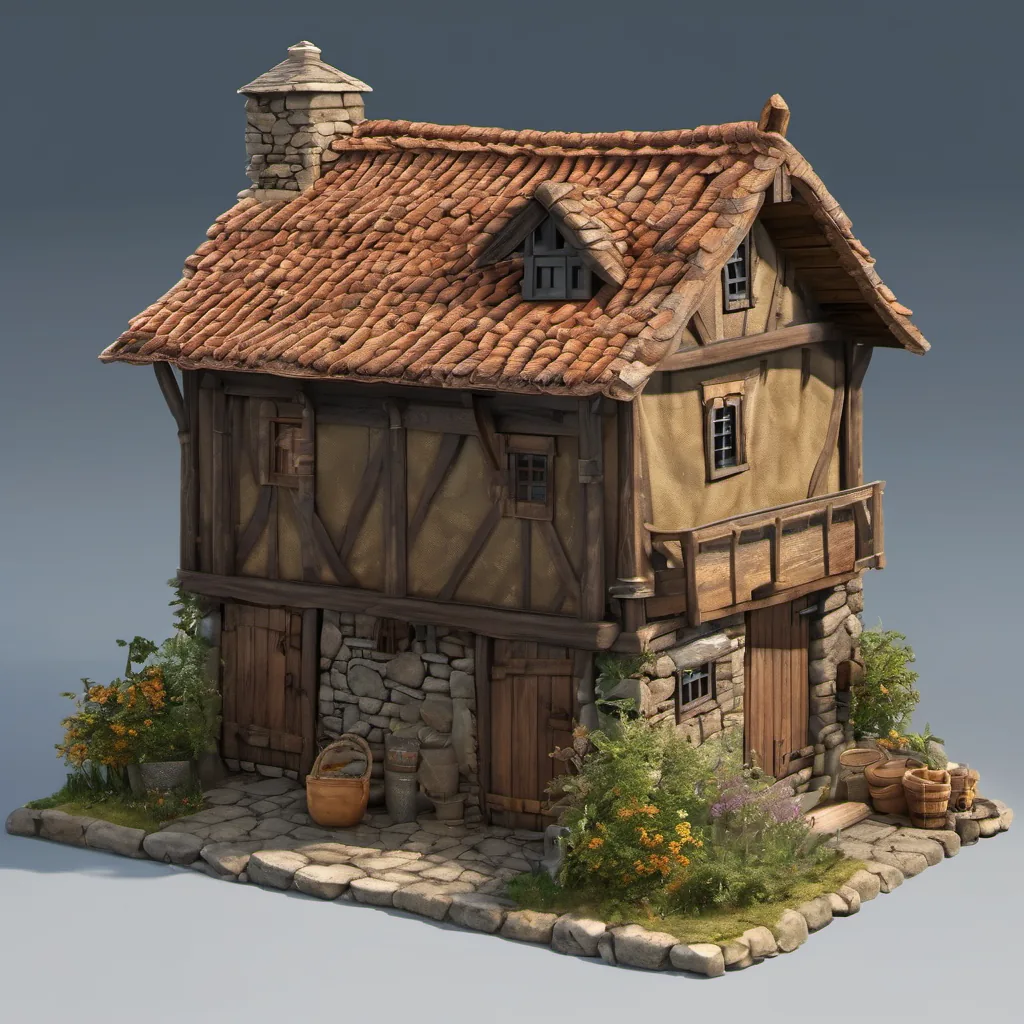
Early Game Resource Focus
In the early stages of your village's development, prioritizing resource field upgrades is paramount. Focusing on crop production is crucial, as level 1 crop fields produce a mere 6 raw resources per hour. Upgrading to level 5 significantly boosts this output, laying the foundation for troop training and other essential constructions.
Prioritizing Crop Fields
To ensure sustained troop production, aim to upgrade your crop fields to at least level 5. This upgrade will provide enough resources to support your growing military needs. As you progress through the game, consider upgrading your wood, clay, and iron fields in parallel. Balancing these resources is vital for building construction and for preventing bottlenecks in your village's growth.
| Resource Field Level | Crop Production (per hour) | Wood Production (per hour) | Clay Production (per hour) | Iron Production (per hour) |
|---|---|---|---|---|
| 1 | 6 | X | Y | Z |
| 5 | 150 | A | B | C |
| 10 | 800 | D | E | F |
| 18 | 3000 | G | H | I |
Mid-Game Infrastructure Development
As your village begins to grow, the focus shifts to infrastructure development. This phase is vital for enhancing your village's efficiency and capabilities. Investing in buildings like the marketplace and rally point can make a significant difference in how you interact with other players and coordinate your military.
Marketplace Upgrades
Upgrading the marketplace is essential for efficient resource trading with other players. A well-constructed marketplace allows you to swap surplus resources for what you lack without waiting for production cycles. This trading skill can give you an edge in acquiring the necessary materials for upgrades or troop training.
Rally Point Coordination
The rally point represents another critical infrastructure upgrade. By developing it, you can effectively coordinate attacks and defenses with your allies. Effective communication is crucial in a competitive environment where teamwork can determine victory or defeat.
Resource Storage Management
In tandem with these upgrades, investing in your warehouse and granary ensures that you can store resources efficiently. Upgrading these buildings helps prevent resource overflow and wasted production, allowing your village to maintain a steady growth trajectory. Remember, granaries and warehouses should be upgraded proportionally to your resource production to avoid losing valuable output.
Late-Game Expansion and Defense
In the late game, the focus shifts to expansion and defense. As your village matures, generating culture points becomes essential for founding new villages or conquering existing ones. Additionally, enhancing your defensive structures becomes increasingly important as you face stronger opponents.
Culture Point Production
Investing in culture point production is mandatory for expanding your empire. Buildings like the town hall play a crucial role in this regard. A level 20 town hall produces 2000 culture points, which enables you to expand your influence and claim more territories. Without a solid culture point strategy, your expansion efforts may falter.
Maximizing Defensive Structures
As enemy attacks grow more powerful, maximizing your defensive structures is no longer optional. Defensive structures such as walls, palisades, and earth walls significantly increase your village's survivability against early raids. For example, the Teuton 'Palisade' offers a 55% defensive bonus at level 20, while the Roman 'City Wall' provides a 67% bonus, making it a balanced choice for defense and resource cost. The Gaul 'Earth Wall' offers a 60% bonus and is the hardest to destroy, making it a strong option for early-game defense.
| Defensive Structure | Defensive Bonus at Level 20 | Cost | Best Use |
|---|---|---|---|
| Teuton Palisade | 55% | Low | Early game |
| Roman City Wall | 67% | Moderate | Balanced |
| Gaul Earth Wall | 60% | Higher | Strong defense |
Frequently Asked Questions (FAQ)
Q1: How important are resource field upgrades in the early game?
A1: Resource field upgrades are crucial in the early game for rapid village growth, especially crop production, which supports troop training.
Q2: Should I continue upgrading resource fields beyond level 10?
A2: Upgrading resource production beyond level 10 offers diminishing returns and is generally less efficient than founding new villages.
Q3: What infrastructure buildings should I focus on in mid-game?
A3: Focus on upgrading the marketplace for efficient trading and the rally point for troop coordination, while also enhancing your warehouse and granary to manage resources effectively.
Q4: How can I protect my village from raids?
A4: Investing in defensive structures like walls and palisades significantly increases village survivability against early raids.
Q5: How do culture points affect my village expansion?
A5: Culture points are generated through buildings like the town hall, which are essential for founding or conquering new villages. A level 20 town hall produces 2000 culture points, enabling expansion.
Related articles
Advanced Travian Village Building Techniques
This article explores advanced techniques for building and optimizing your villages in Travian. From early game resource management to late game warfare strategies, learn how to enhance your gameplay and maximize efficiency.
Building Your Economy in Travian
Building a strong economy is essential in Travian, focusing on resource production, infrastructure, and strategic alliances. This guide covers key strategies to enhance your economic growth and sustainability.

Maximizing Your Resources: A Comprehensive Guide
Learn how to maximize your resources in Travian with this comprehensive guide. From early game optimization to late-game strategies, discover essential tips and tricks for efficient resource management.