The Art of Travian Strategy
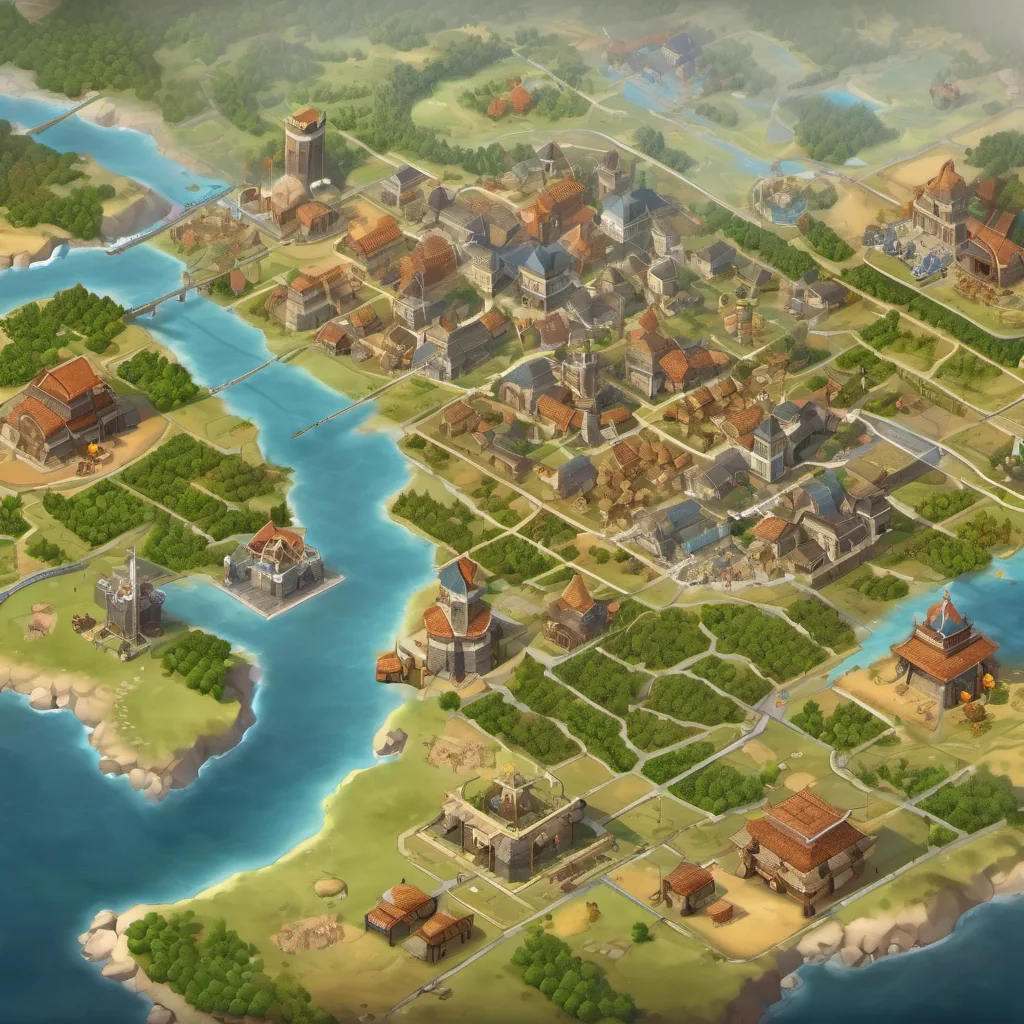
The Art of Travian Strategy
Travian, founded in 2004 by Gerhard Müller, is a massively multiplayer online real-time strategy game that has captivated gamers for years. This strategic game requires players to manage resources, develop their armies, and dominate their opponents. Understanding the nuances of strategy in Travian can significantly enhance your gameplay and increase your chances of success. In this article, we will explore the essential strategies to master as you navigate through the various phases of the game—from early development to late-game domination.
Early Game Development (Days 1-30)
The early game is crucial for establishing a strong foundation for your empire. Here are the key focus areas during this phase:
-
Upgrade Resource Fields: The first step to success is upgrading your resource fields (lumber, clay, iron, and crop) to level 5 or higher. This upgrade will establish a strong resource base, vital for future expansions and military campaigns.
-
Choose Your Tribe Wisely: Your choice of tribe will significantly impact your early game strategy. The three original tribes—Romans, Gauls, and Teutons—offer different advantages:
- Teutons excel at raiding, making them an excellent choice for players who prefer an aggressive strategy.
- Gauls are known for their defensive capabilities, ideal for players who want to fortify their position.
- Romans provide a balanced approach, allowing for versatile development across offense, defense, and resource production.
-
Begin Scouting: Start scouting neighboring villages to identify potential raiding targets. This intelligence is crucial for planning attacks and understanding your competition.
-
Join an Alliance: Joining an active alliance early on is critical. Alliances provide protection, shared resources, and access to coordinated attacks, which can significantly enhance your gameplay in the early phases.
By focusing on these aspects during the first 30 days, you will create a solid foundation for your growing empire.
Mid Game Expansion (Days 31-90)
Once you've established your resource base, it’s time to shift your focus to expanding your village and military capabilities. Here’s how to make the most of the mid-game:
-
Construct Key Buildings: Start building essential structures, such as barracks, a marketplace, and a granary. These buildings will enable troop training, resource trading, and better resource management.
-
Train Troops: Begin training a mix of offensive and defensive troops tailored to your tribe’s strengths. For example, Teutons should focus on training axes for offense, while Gauls should prioritize phalanxes for defense.
-
Establish Trade Routes: Create trade routes with other players to supplement your resource production. This strategy will ensure that your economy remains robust and allows you to support your military endeavors.
-
Develop Your Hero: Hero management is essential during this phase. Level up your hero and equip it with beneficial items to enhance its combat capabilities. A well-equipped hero can dramatically change the outcome of battles.
By effectively managing your village and military expansion during the mid-game, you will set yourself up for success in the later stages of Travian.
Late Game Domination (Days 91+)
In the late game, your focus shifts to dominance and competition. Here are the strategies to employ:
-
Coordinate Attacks: Work closely with your alliance to coordinate attacks on enemy villages. Teamwork is vital for conquering opponents and expanding your territory.
-
Build Up Defenses: As your empire grows, so does the target on your back. Ensure you have strong defenses in place to protect your village from enemy raids and attacks.
-
Participate in World Wonder Construction: Engage in the construction of the World Wonder, which is the ultimate goal in any Travian server. This collaborative effort is essential for victory in the game.
-
Manage Resources Effectively: As you wage war and expand, managing your resources becomes even more critical. Use buildings like the Great Warehouse and Great Granary, which can store three times the capacity of normal buildings, to protect your resources from enemy players.
By focusing on these strategies during the late game, you will position yourself as a formidable player in Travian.
FAQ
Q: How long does a typical Travian server last?
A: Each Travian server, or game world, typically lasts for 6-12 months, culminating in the construction of a World Wonder.
Q: What are the maximum levels for resource fields?
A: The maximum level for resource fields in regular game worlds is level 10, although some servers may offer higher levels.
Q: Why is scouting important before attacking?
A: Scouting enemy villages before an attack is essential to avoid costly losses. Scouting reports reveal troop numbers, defenses, and resources, allowing for informed attack planning.
Q: How does the treasury building function?
A: The treasury building is necessary to store stolen resources from raids. Without it, other players can steal resources from you after a successful raid.
With these strategies in mind, you are now equipped to master the art of Travian strategy. Whether you are just starting or looking to enhance your gameplay, understanding these key points will help you build a powerful empire and dominate your enemies in the world of Travian.
Related articles
Mastering Resource Management in Travian
Mastering resource management is crucial for success in Travian, impacting everything from troop training to village growth. This article outlines strategies for optimizing resources from the early game to late-game domination.

Mastering Travian Resource Management
Mastering resource management in Travian is essential for successful gameplay. This guide covers strategies for efficient resource production from the early to late game.
Mastering the Art of Village Defense
Master the art of village defense by implementing effective strategies across early, mid, and late-game phases. This guide covers wall upgrades, troop diversification, scouting, and alliance collaboration for optimal security.
Explore these topics
- resource management(24)
- early game(9)
- late game(7)
- mid game(6)