Strategic Resource Management for Victory
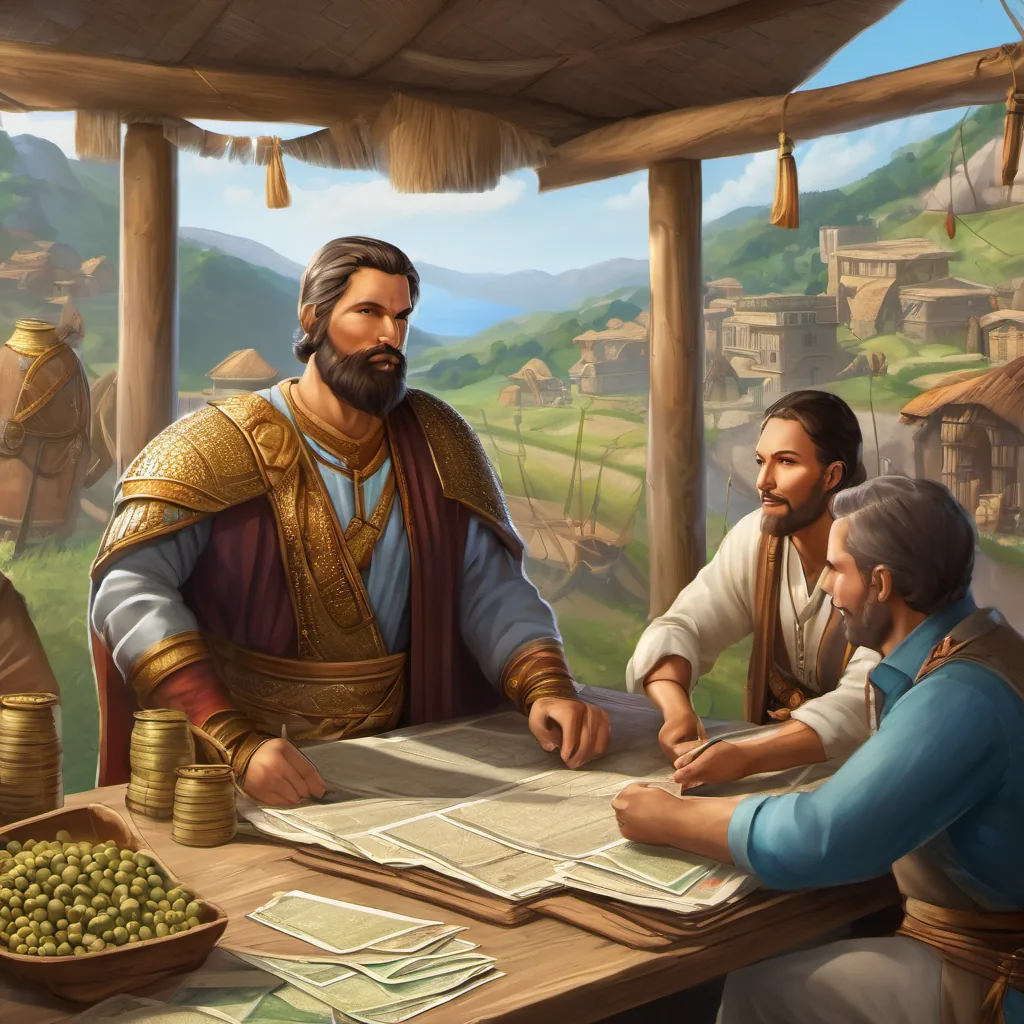
Early Game Resource Optimization
In the early stages of Travian, resource production is paramount. Prioritize upgrading your resource fields, particularly crop fields, to at least levels 5-7 in your starting village. This upgrade provides a substantial boost to your resource income, enabling rapid village development. For instance, upgrading a level 0 crop field to level 1 can increase production by approximately 3-5 crops per hour.
To further supplement your resource income, it's advantageous to scout and raid inactive players frequently. Inactive players often have unprotected resources, making them easy targets for raiding. This strategy is especially effective in the early game, where quick resource acquisition can significantly accelerate your growth. However, be mindful that troop upkeep varies depending on troop type; for example, a Roman Legionnaire consumes 1 crop per hour. Therefore, maintaining a positive crop balance is crucial to avoid starvation, which can lead to troop and population loss.
Additionally, joining a tribe early can provide multiple benefits. Not only does it grant access to trade routes that help balance your resource income, but it also offers protection from stronger players. This allows you to concentrate on growing your village without the constant threat of raiding parties.
Mid-Game Resource Management
As you progress into the mid-game, establishing specialized resource villages becomes essential. Focus on producing specific resources based on oasis bonuses and your village's location. Oases provide resource bonuses ranging from 25% to 50%, depending on the type of resource. For example, a 25% wood oasis attached to a village will increase wood production by 25%. This strategic allocation of resources ensures that you maximize your production capabilities.
In addition to resource specialization, developing efficient trade routes between your villages is vital for balancing resource deficits and surpluses. Your resource distribution should be strategic; dedicate villages to specific resources to optimize production and minimize wastage. For instance, if one village excels in crop production, it can supply food to other villages, while those villages can provide wood or clay in return. The marketplace plays a crucial role in this process, allowing you to set favorable exchange rates. While the common starting rate is 1:1:1:1, this can shift based on market conditions, so it's important to monitor supply and demand.
Furthermore, investing in resource-boosting items from the auction house can significantly enhance your economy. Hero items or production bonuses can lead to a noticeable increase in resource generation, giving you a competitive edge over other players.
Late-Game Resource Strategy
In the late game, your focus should shift towards building infrastructure that supports a large army. Key structures to prioritize include granaries, warehouses, and troop training buildings. The Great Warehouse and Great Granary, each with capacities of 200,000 resources, significantly expand your storage compared to standard options. This enhancement allows you to stockpile resources for future expansions or massive troop deployments.
Coordinating resource sharing with allies becomes crucial during this phase. Support from allies can help maintain your war efforts and facilitate large-scale construction projects. If your allies are well-resourced, mutually beneficial exchanges can enhance your collective strength.
Additionally, utilizing gold to instantly complete building upgrades and resource production is a valuable tactic for maintaining a competitive edge. In a game where every second counts, the ability to expedite your construction and troop training can make a significant difference in the outcome of battles.
FAQ
Q: How important is crop management in Travian?
A: Crop management is critical as it fuels your population and troop upkeep. A negative crop balance can lead to starvation, resulting in troop and population loss.
Q: What is the capacity of the Great Warehouse and Great Granary?
A: Both the Great Warehouse and Great Granary have capacities of 200,000 resources, significantly enhancing your storage capabilities compared to standard versions.
Q: How do oases impact resource production?
A: Oases provide bonuses ranging from 25% to 50% to resource production, depending on the resource type, making them valuable for optimizing your villages.
Q: What is the typical marketplace exchange rate?
A: A common starting exchange rate is 1:1:1:1, but this can vary based on market conditions and resource availability.
Q: What do I need to found a new village?
A: Founding a new village requires a chief or senator and three settlers, which can be resource-intensive and time-consuming to train.
Related articles

Managing Your Travian Alliances for Victory
Managing alliances in Travian is crucial for securing victory. This article explores effective leadership, diplomacy, and strategic warfare to enhance alliance performance.

Advanced Strategies for Efficient Village Building
Mastering village building in Travian: Legends requires advanced strategies for resource management, military expansion, and alliance benefits. This guide provides key insights on optimizing your village for sustained growth.
Travian Strategies for Beginners
This guide offers essential strategies for beginners in Travian, focusing on resource management, defense, and village expansion. Learn how to effectively upgrade resource fields, build defenses, and settle new villages to thrive in your early game.
Explore these topics
- travian(44)
- resource management(24)
- strategy(20)